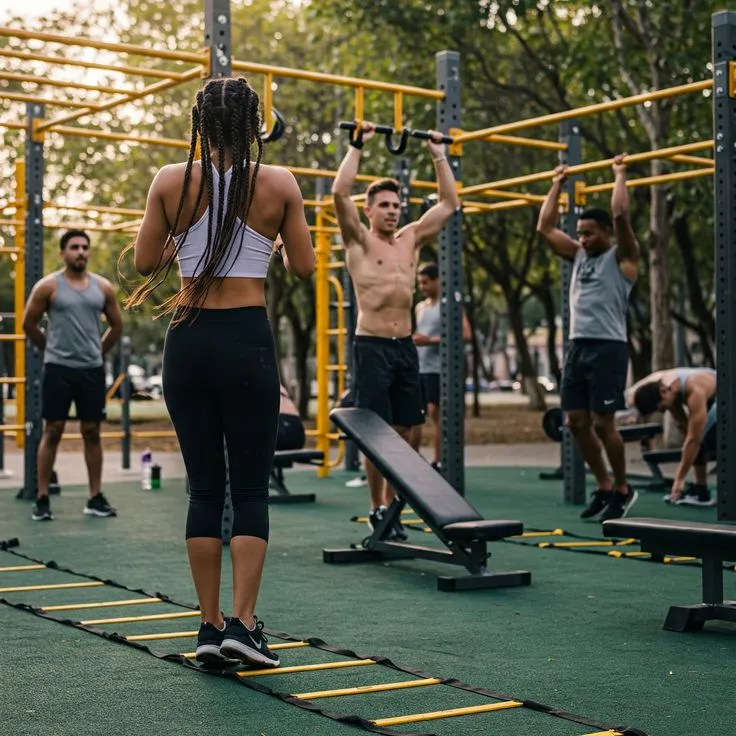
Foundation Nodes
Entry-level positions that establish joint stability and basic force production patterns.
Plank Hold
30-second static core alignment with neutral spine
Incline Push
Hands elevated push with full range of motion
Dead Hang
15-second passive bar hang with scapular engagement
Standard Push-Up
Horizontal push from ground with controlled tempo
Australian Pull
Horizontal pull at waist-height bar angle
Bodyweight Squat
Full-depth squat with heels grounded
Intermediate Branches
Movements requiring increased leverage, unilateral control, or extended time under tension.
Diamond Push-Up
Close-hand position increasing triceps load
Pull-Up
Full vertical pull with chin above bar
Pistol Squat Assist
Single-leg squat with counterbalance support
L-Sit Tuck
Compressed hip flexion hold on parallel bars
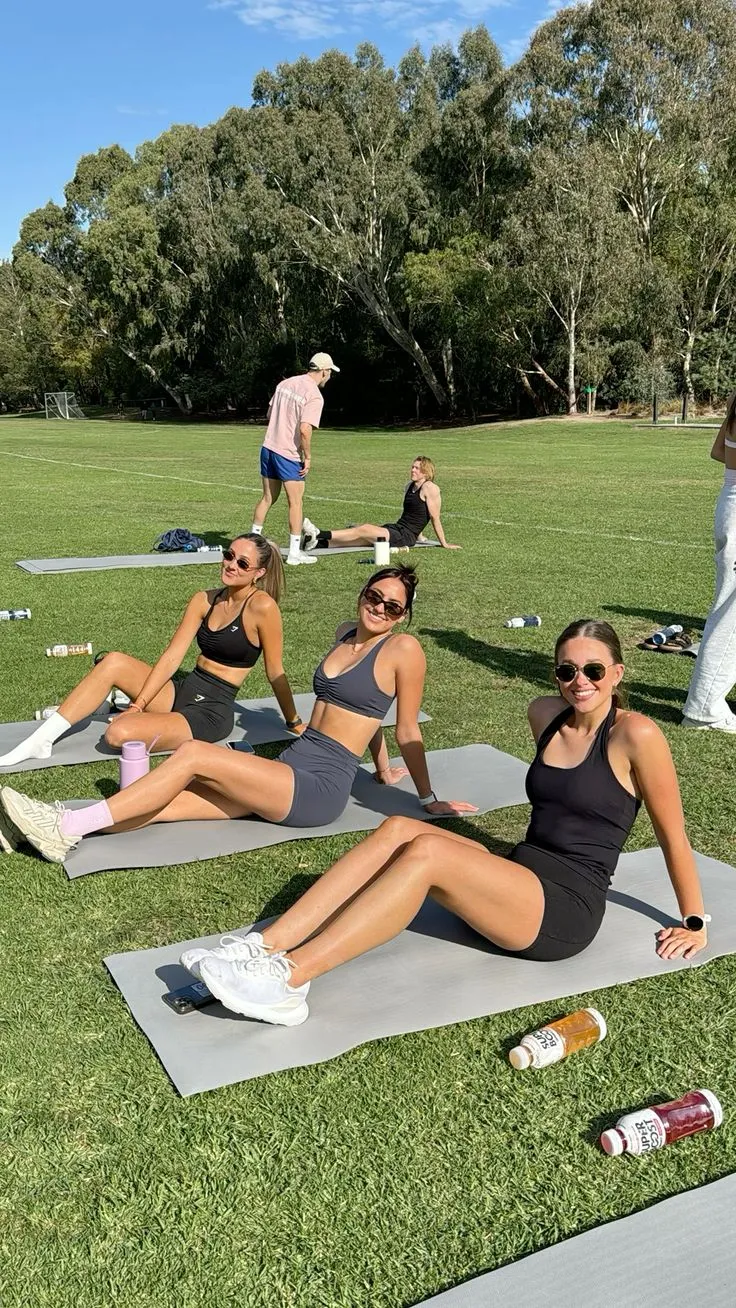
Advanced Terminals
Elite bodyweight skills requiring compound strength, balance, and precise body positioning.
Muscle-Up
Transition from pull to dip above bar in single motion
Human Flag
Horizontal body hold on vertical pole
Handstand Hold
10-second freestanding inversion on ground
Non-Linear Development
Skill trees branch in multiple directions. Participants may advance faster in pulling than pushing, or prioritize locomotion over static holds.
Workshop instructors document achieved milestones during each session. This creates a personal progression map independent of traditional weight-based metrics.
Enroll in a structured program to receive guided progression through these skill nodes with instructor oversight.
View Programs